

200-HOUR YOGA TEACHER TRAINING IN GOA, INDIA
FIVE ELEMENTS VINYASA
10 JANUARY -1 FEBRUARY 2027
TAUGHT IN ENGLISH · RESIDENTIAL · YOGA ALLIANCE RYS 200
BHAKTI KUTIR · CANACONA, SOUTH GOA

DIVE
A foundational journey into practice, teaching, and self-inquiry.
YOGART COLLECTIVE offers a residential 200-hour yoga teacher training in Canacona, South Goa. Taught in English and registered with Yoga Alliance, this foundational programme brings together daily practice, teaching methodology, functional anatomy, philosophy, meditation, pranayama, and the Five Elements.
Designed for aspiring teachers and committed practitioners, the training develops your personal practice alongside the practical skills needed to teach with confidence, clarity, and sensitivity. You will learn to observe carefully, communicate clearly, sequence intelligently, and adapt yoga thoughtfully to different people.
The residential experience also creates space for reflection, shared learning, and self-inquiry—supporting you to carry yoga into everyday life with greater awareness, meaning, and purpose.
A SMALL-GROUP, PRACTICE-LED TRAINING
-
Maximum 10 students
-
Residential training in South Goa
-
Functional anatomy + therapeutic alignment
-
Teaching practice and feedback throughout the course
-
Five Elements, Ayurveda, philosophy and pranayama
-
Yoga Alliance RYS 200 certification
The residential experience also creates space for reflection, shared learning, and self-inquiry—supporting you to carry yoga into everyday life with greater awareness, meaning, and purpose.
OUR APPROACH
A HOLISTIC AND INTEGRATIVE YOGA TEACHER TRAINING IN SOUTH GOA
This 200-hour yoga teacher training brings together movement, functional anatomy, philosophy, breath, meditation, and teaching methodology as parts of one interconnected practice.
You will explore how the body moves, develop a clearer understanding of alignment and biomechanics, and learn to teach with greater safety and sensitivity. Samkhya philosophy and the Five Elements from Ayurveda and Chinese Medicine offer complementary frameworks for exploring the relationship between body, mind, energy, and the natural world.
Through this integration of traditional teachings and contemporary understanding, you will develop practical skills in observation, cueing, sequencing, adaptation, and class design.
OUR TEACHING STYLE
Our approach is influenced by the structure and discipline of Ashtanga Yoga Chikitsa and the alignment principles of therapeutic yoga. These foundations are brought into a creative and adaptable approach that develops strength, awareness, rhythm, and sensitivity.
Throughout the training, you will experience a range of complementary practices, including:
-
Alignment-based Vinyasa Flow
-
Ashtanga-inspired movement
-
Yin Yoga
-
Pranayama
-
Yoga Nidra
-
Mindfulness and meditation
Each practice offers a different way of observing, learning, and developing your relationship with yoga.
LEARNING THROUGH EXPERIENCE
Experiential learning and self-inquiry are central to the training. You will be encouraged to listen carefully, reflect on your experience, and gradually embody the principles you are learning.
Within a supportive group environment, personal practice and teaching practice develop alongside one another. By the end of the course, you will have the foundational knowledge and practical experience needed to begin teaching—and a clearer understanding of how yoga can continue to shape the way you live, learn, and relate to others.

ABOUT THE PROGRAMME
CURRICULUM
The Five Elements—Earth, Water, Fire, Air, and Space—form a connecting thread throughout the training. Rather than studying them as a separate theory, you will experience their qualities through asana, breath, meditation, philosophy, anatomy, self-inquiry, and teaching practice.
Each element offers a different lens through which to understand practice:
-
Earth — foundation, stability, structure, and support
-
Water — adaptability, fluidity, creativity, and relationship
-
Fire — transformation, discipline, vitality, and purpose
-
Air — breath, movement, sensitivity, and communication
-
Space — awareness, stillness, integration, and possibility
Together, they provide a practical framework for observing yourself, shaping meaningful practices, and responding thoughtfully to the people you teach.
THE FIVE ELEMENTS IN PRACTICE
Five Elements Vinyasa – experience practices inspired by Earth, Water, Fire, Air, and Space, exploring how each element influences movement, breath, rhythm, focus, and intention.
Introduction to Ayurveda – explore the Five Elements, the three doshas, daily rhythms, and simple ways to support balance through yoga, food, rest, and lifestyle.
Elements in the Body and Mind – observe how elemental qualities may appear through posture, energy, habits, emotions, and our responses to change.
Element-Based Sequencing – learn to create coherent classes inspired by qualities such as grounding, fluidity, vitality, spaciousness, and integration.
Yoga and the Natural World – explore the relationship between personal practice, seasonal rhythms, environment, and collective wellbeing.
MOVEMENT, ANATOMY & ADAPTATION
Applied Yoga Anatomy – explore the skeletal and muscular systems, functional movement, and how anatomical understanding supports safe and effective practice.
Asana Labs & Posture Clinics – study key postures through observation, discussion, demonstration, and guided exploration.
Props & Adaptation – learn to use props and variations to support different bodies, abilities, and levels of experience.
Therapeutic Principles – develop foundational skills for adapting practices thoughtfully to individual needs and common physical considerations.
Observation & Hands-On Support – learn to observe with sensitivity and offer appropriate support with clear communication and consent.
TEACHING METHODOLOGY
Practice Teaching – gain practical teaching experience with individual guidance, peer learning, and constructive feedback.
Cueing & Communication – develop clear verbal instruction, confident voice projection, body-language awareness, and purposeful use of silence.
Intelligent Sequencing & Theming – design balanced and meaningful classes with a clear intention, progression, and energetic quality.
Understanding the Beginner’s Experience – cultivate empathy and learn to make yoga accessible, welcoming, and understandable.
Holding Space – develop the presence and emotional awareness needed to create a respectful and supportive learning environment.
Ethics & Professional Practice – explore consent, inclusivity, boundaries, responsibility, and ethical ways to share your work.
The Business of Yoga – consider professional pathways, class planning, communication, social media, and values-led marketing.
PHILOSOPHY, BREATH & INNER PRACTICE
History & Evolution of Yoga – trace yoga’s development from its ancient roots to contemporary global practice.
Paths of Yoga – explore Bhakti, Jnana, Karma, and Raja Yoga as complementary approaches to practice and life.
Yoga Sutras of Patanjali – study the Eight Limbs, the nature of the mind, and yoga as a path of awareness and liberation.
Introduction to Samkhya Philosophy – explore consciousness, nature, and the philosophical foundations underlying yoga and Ayurveda.
Pranayama & the Science of Breath – experience foundational breathing practices and examine their relationship with energy, attention, and emotional state.
Meditation & the Subtle Body – explore meditation alongside introductory teachings on the chakras, nadis, and energetic anatomy.
Mantra & Mudra – experience sound and gesture as tools for concentration, intention, and inner awareness.
Yoga in Everyday Life – bring philosophical and ethical principles into relationships, daily choices, work, and self-care.
Karma Yoga – experience service, shared responsibility, and community participation as part of the residential training.
REQUEST THE FULL CURRICULUM

PREREQUISITES
At least one year of regular yoga practice is recommended. Previous teaching experience is not required.
You do not need to be highly flexible or free from injury. However, this is an intensive residential training involving daily movement practice, seated study, and group activities. Please let us know about any injuries, health conditions, or accessibility needs when applying so we can discuss how best to support your participation.
We welcome students who bring:
-
A sincere interest in yoga and the path of teaching
-
Dedication, motivation, and a willingness to take responsibility for their own learning
-
Openness to participating fully in group life and the learning process
-
A willingness to give and receive thoughtful, constructive feedback
OUR TEACHING COMMUNITY
YOGĀRT COLLECTIVE is a small international yoga school rooted in therapeutic yoga, self-inquiry, and relationship. Through teacher trainings, retreats, and mentoring, we create spaces where practice becomes a way to listen, learn, and respond to life with greater care.

Dr Vijay Nambiar
Ayurveda ・Psychology ・Lifestyle and Diet
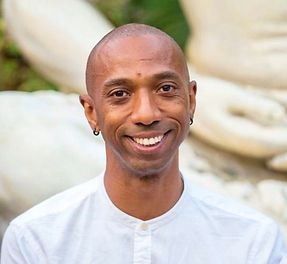
Olivier Charles
Lead Teacher・Asana・Anatomy ・Yoga Therapy

Shelly Grande
Asana・Mantra ・Meditation ・Teaching Methodology

Sunita Singh
Asana・Pranayama・Meditation・Philosophy
A TYPICAL TRAINING DAY
Evening programmes may include satsang, kirtan, meditation, or other shared practices.
Students train for 5.5 days each week, with Saturday afternoon and Sunday free for rest and integration.
FEES

Starts Jan 10, 2027
2,985ユーロLoading availability...
Loading availability...
Starts Jan 10, 2027
2,485ユーロLoading availability...
Loading availability...
PAYMENT
A non-refundable deposit of €400 is required to reserve your place. The remaining balance is due 30 days before the training begins.
All payments are made securely by credit card. Bank transfer may be arranged upon request.
Receive an early-bird saving of €200 when you reserve at least three months before the course begins.
Please read our booking, cancellation, and transfer policy before reserving your place.
WHAT YOUR TRAINING INCLUDES
WHAT'S INCLUDED IN THE 200-HOUR YOGA TEACHER TRAINING IN GOA?
This fully residential programme includes 200 hours of training, accommodation, meals on training days, course materials, and ongoing guidance from the YOGART COLLECTIVE teaching team.
ACCOMMODATION & MEALS
Your accommodation at Bhakti Kutir is included for the duration of the training, allowing you to live and practise within the peaceful natural environment of the retreat centre.
Breakfast, a light lunch, and dinner are provided on full training days. On Saturdays, breakfast and a light lunch are included; dinner is not provided. Meals are not provided on Sundays.
Dietary preferences and allergies can be accommodated with advance notice.
COMPREHENSIVE TRAINING MANUAL
Each participant receives a detailed 200-hour yoga teacher training manual designed to support both the course and continued learning after the training.
The manual includes:
-
Asana foundations, alignment, cueing, and safe adaptation
-
Functional anatomy and its application to yoga practice
-
Teaching methodology, sequencing, communication, and class design
-
Pranayama, meditation, mudra, and bandha
-
Sanskrit mantras and chants with English translations
-
Philosophy, Ayurveda, and the Five Elements
THE TRAINING ENVIRONMENT
The yoga shala, accommodation, and dining spaces are all located within Bhakti Kutir. Living and learning in one peaceful setting supports concentration, community, and a deeper immersion in the training experience.
SMALL-GROUP LEARNING & PERSONAL GUIDANCE
The training is intentionally limited to a maximum of 10 students. This allows time for individual guidance, practical feedback, questions, and personal mentorship from Olivier and the teaching team.
RESOURCES FOR CONTINUED LEARNING
Before the course begins, you will receive a recommended reading list and preparatory materials to help you arrive ready for the training. The course manual and learning resources will continue to support your practice and teaching after you return home.
CERTIFICATION
Upon successful completion of the course, you will receive a 200-hour yoga teacher training certificate from YOGART COLLECTIVE, a Yoga Alliance Registered Yoga School (RYS 200).
Graduates may use this certificate to apply for registration with Yoga Alliance as a Registered Yoga Teacher (RYT 200). We will explain the registration process and guide you through the next steps.
WHAT IS NOT INCLUDED
-
International or domestic airfare
-
Visa fees
-
Dinner on Saturdays
-
Meals on Sundays
-
Airport transfers, which can be arranged for an additional fee
-
Travel insurance
-
Personal expenses and optional activities
YOUR HOME IN SOUTH GOA
The training takes place at Bhakti Kutir, a peaceful retreat centre set within a two-acre coconut grove near Patnem Beach in South Goa.
Its individually designed cabanas are built using natural and locally sourced materials, including bamboo and rice straw.
Surrounded by tropical vegetation, the accommodation offers simplicity, privacy, and a close connection with nature, while the yoga shala, dining spaces, and cottages remain within the same property.
Living and practising together at Bhakti Kutir allows the rhythm of the training to extend beyond scheduled classes. Meals, rest, conversation, nature, and community all become part of the residential experience.
FOOD AT BHAKTI KUTIR
On full training days, Bhakti Kutir serves three freshly prepared vegetarian or vegan meals: breakfast, a light lunch, and dinner. Breakfast and a light lunch are provided on Saturdays.


